
The GNOME Project has finally released GNOME 3.26, which is the latest version of the most popular Linux desktop environment. After six months of development, this version, codenamed
Manchester, has been released. “We are happy and proud to announce GNOME 3.26, the latest major release of GNOME, “Manchester”, just a few weeks after we celebrated the 20th birthday of GNOME at GUADEC,” the release announcement said.
One of the major highlights of GNOME 3.26 release is a new look for the Settings app. It has got a new navigation sidebar, better network and display settings, and improved browser sync. Now, in GNOME 3.26, color emojis are thoroughly supported; you can insert them into chats, documents, and messages via different ways.
The other new GNOME 3.26 features are better system search and folder sharing in Boxes, improved Builder IDE, better JS experience with SpiderMonkey 52, etc.
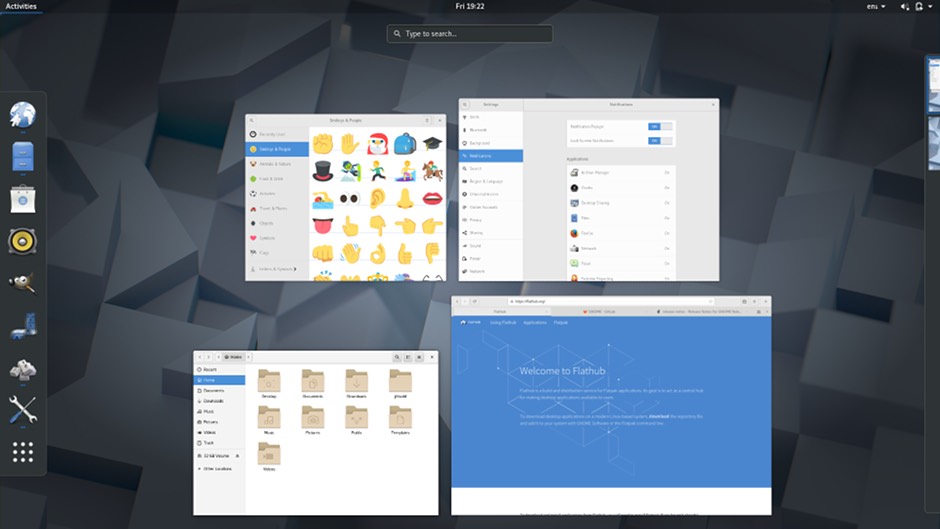
It’s worth noting that GNOME 3.26 will be shipping as default desktop in the upcoming Ubuntu 17.10 release. This new release should be made available in all the major Linux distros very soon.
Find GNOME 3.26 release notes here.
CentOS 7-1708
CentOS 7-1708 has been made available as the fifth CentOS 7 release. As expected, derived from Red Hat Enterprise Linux 7.4, CentOS 7-1708 promises to deliver a stable and reproducible environment.
Since the 1503 release, the major changes include the new ability to report bugs directly to bugs.centos.org. The newly included packages include python-gssapi, python-netifaces, mod_auth_openidc, pidgin and Qt5.
Now OpenSSL supports DTLS and ALPN. On the other hand, SSH-1 support has been stripped from the SSH-Server. Various improvements too have been made to cryptographic abilities of different packages. Multiple packages have also been rebased and updated.
Find more information and download links here.
Parroty Security 3.8
Parrot Security 3.8 Linux distro for ethical hacking has landed. This new release is now based on Debian 10 Buster, which is the current Debian testing release.
The other major changes of this release are Linux 4.12, ZFS support, improved driver support, MATE 1.18, GCC 6.4 and 7.2, Java 9, etc. A notable new addition to all Parrot flavors is electrum, a lightweight Bitcoin client.
Comments
Post a Comment