Facebook Offers An Option To Access A Second And Hidden Feed In Its Android And iOS Mobile Apps [Learn How To Do So]

Earlier this year in April, we reported that Facebook is testing a second News Feed with a new “Rocket” button. Many iOS and Android users reported about the same and jokingly called it a new Facebook feature which wasn’t inspired by Snapchat.
At that time, it was under trial, and we didn’t know if it’d end up being a permanent Facebook feature.
A few weeks ago, this alternative Facebook feed landed in Facebook’s mobile apps, i.e., on Android and iOS applications. This feature is yet to arrive on the desktop website. Unlike the previous tests which showed the second “Explore Feed” right on the home screen, this feature is now buried inside the app and you need to follow some simple steps to access it. So, let’s tell you how to use Facebook’s second and hidden news feed:
Facebook’s second News Feed: Explore Feed
How to access Explore Feed on Facebook iOS app?
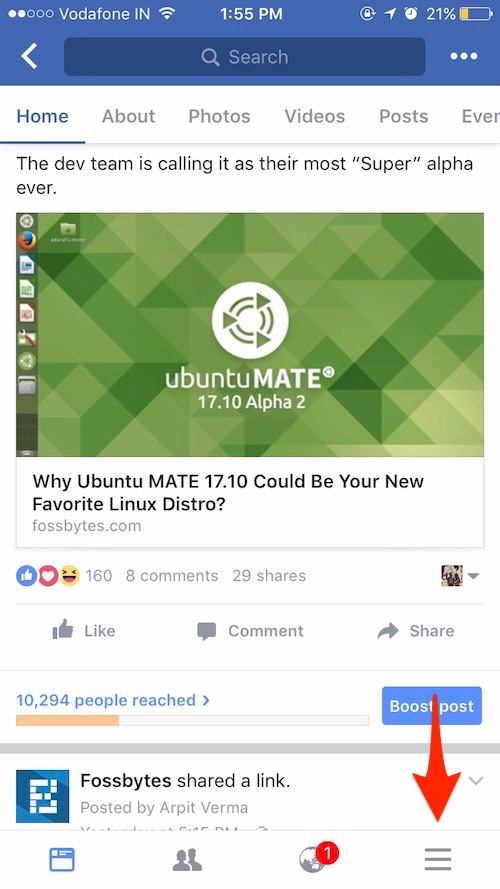
- To access Facebook’s second News Feed, you need to open the Facebook iOS app and click on the Menu button as shown in the screenshot below.
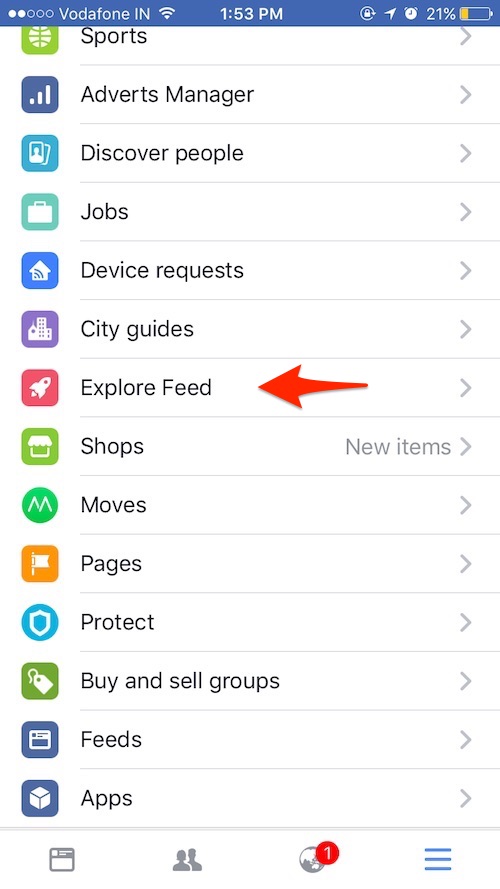
- Now scroll down and find Explore Feed option and click on it to access the second feed.
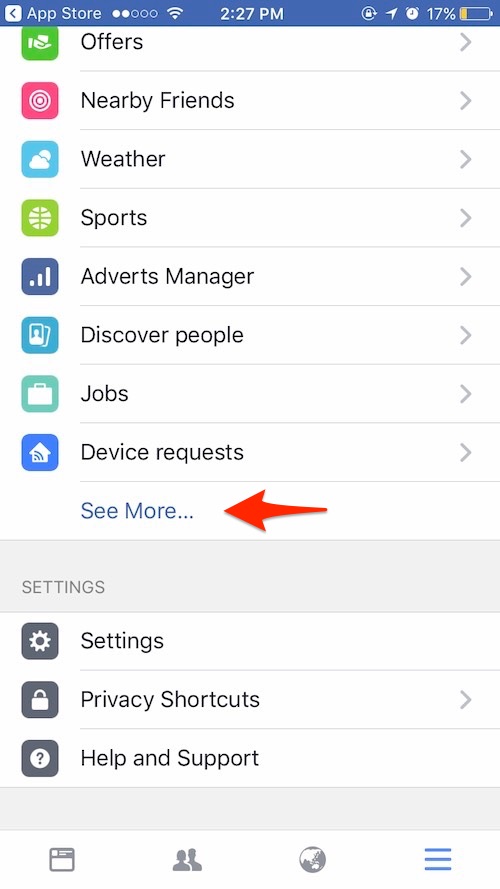
- If you can’t find it initially, you need to click on More to expand the list and access Explore Feed option.
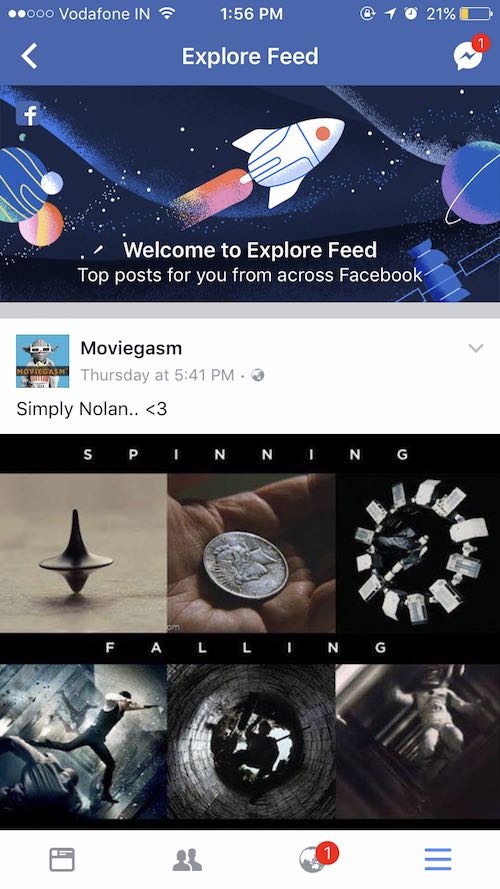
- Tapping the Explore Feed option will open your personalized feed. It’ll look like the usual News Feed but it’ll have content from the Facebook pages that you haven’t liked.
How to access Explore Feed on Facebook Android app?
- Just like iOS app, on Facebook Android app, you need to open the Facebook Android app and click on the Menu button as shown below.
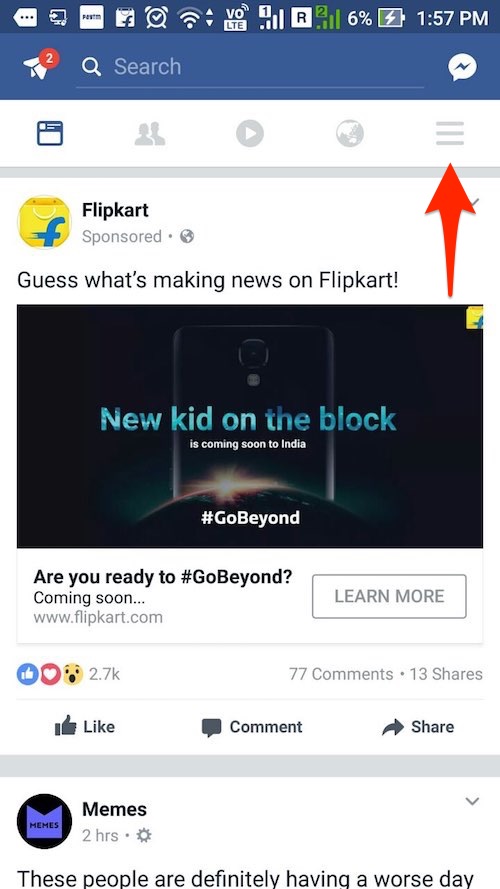
- Simply scroll down to find Explore Feed option and tap on it.
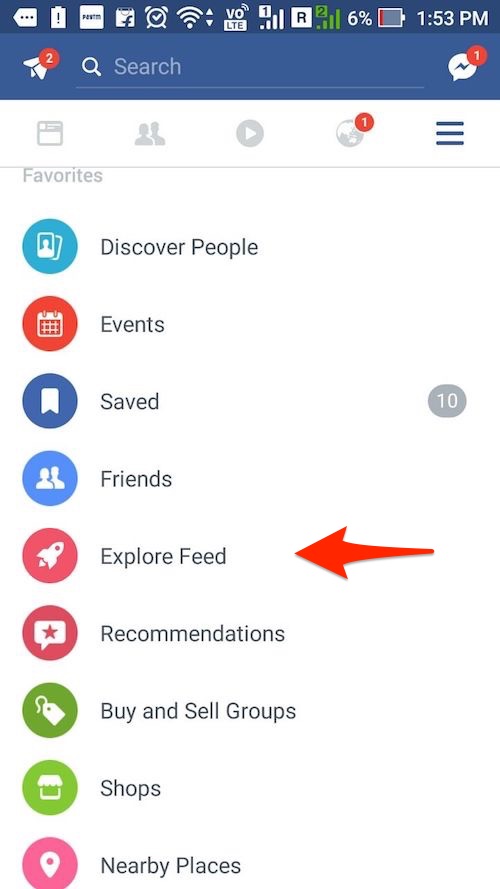
- After tapping it, your hidden feed will be displayed where you can explore more content on Facebook.

So, these were the steps to access the second feed on Facebook. As said above, the content you see in this feed isn’t from the pages you liked but it does match with your interest. The reason behind this is simple–Facebook knows a lot about you, and it’s using this data to deliver an alternative feed to those who love to spend tons of time on Facebook.
Comments
Post a Comment