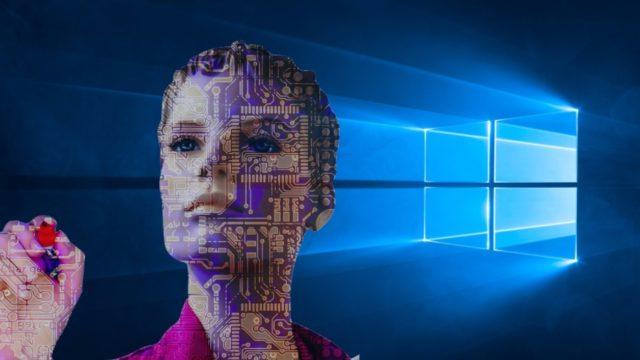
In the wake of increasing malware threats and hacking attempts, Microsoft is planning to take the help of machine learning and AI. Microsoft will take help from more than 400 million Windows 10 PCs and create virus signatures for PCs all around the world. This
feature will be launched along with Windows 10 Fall Creators Update.icrosoft’s Windows operating system needs far better security measures; the recent WannaCry and Petya ransomware attacks are an example of the same. While these malware didn’t target Windows 10, Microsoft’s latest operating system needs to learn a thing or two from Linux and macOS security.
Microsoft is planning to launch Windows 10 Fall Creators Update later this year. As expected, it’s coming loaded with many measures to protect yourself from cyber attacks. These measures will also include AI-powered defenses against malware.
Talking to CNET, Microsoft told that it’s planning to equip the upcoming Windows Defender Advanced Threat Protection with the power of machine learning from more than 400 million computers running Windows 10. This threat protection will be equipped with browser-focused Application Guard and cloud-related Device Guard and Exploit Guard.
For those who don’t know, Microsoft’s different operating systems for PC, Mobile, Xbox, HoloLens, Tablets, etc. run the same Windows core. Microsoft’s smart AI system will take the data from a pool of 400 million Windows systems powered by this Windows core.
With the help of this cloud-driven AI, Redmond will be in a better position to detect any suspicious activity that’s taking place. For example, if a new malware is detected by any computer running Windows 10, a signature will be developed, and all the other users worldwide will be saved.
This also means that Microsoft will be taking help from your Windows computer to make its antivirus intelligent.
This feature will be first rolled out to the enterprise customers, and it’ll be rolled out to all customers eventually.
Did you find this article on Windows 10’s upcoming AI-based antivirus helpful? Don’t forget to share your views.
Comments
Post a Comment