
Brutal Kangaroo: How CIA Hacked Offline Computers Using Infected USB Drives


cia kangaroo
Brutal Kangaroo malware is the latest addition to the ongoing WikiLeaks Vault 7 leaks. Published earlier this week, the leaked documents show how the CIA hacked offline and air-gapped computers using USB drives. Brutal Kangaroo is basically a combination of 4
tools which work together. The malware used Windows operating system vulnerabilities to targeted air-gapped computers.
Earlier this month, we told you about the latest leak in the WikiLeaks Vault 7 series. The leaked CherryBlossom firmware was made for taking control of the traffic by finding its way into network routers. Now, WikiLeaks has published the new set of secret documents of which further shed light on CIA’s hacking operations.
The latest documents are 150 pages in length, and they describe a CIA malware toolkit named Brutal Kangaroo for taking control of air-gapped computers by using specialized USB drives. According to WikiLeaks, the components of Brutal Kangaroo create a covert network within the target network, which makes the job easier.
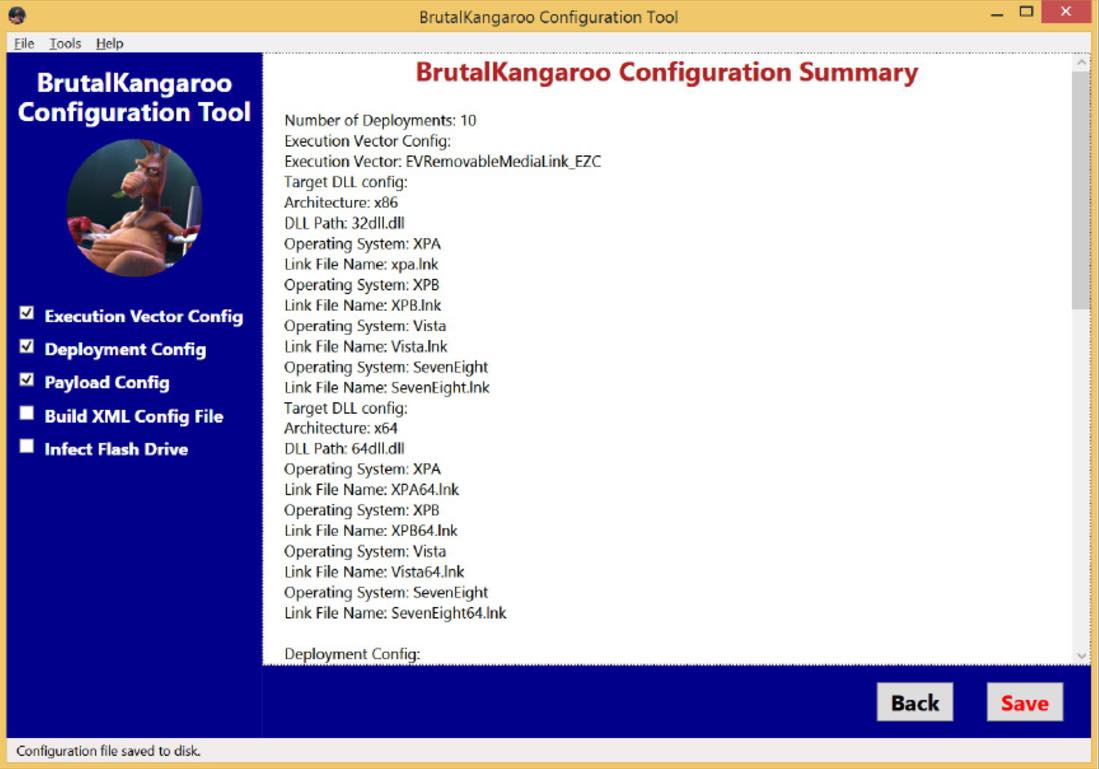
It should be noted that Brutal Kangaroo contains 4 chief components — Drifting Deadline (thumb drive infection tool), Shattered Assurance (server tools for handling thumb drive infection), Broken Promise (postprocessor to take care of the collected information), Shadow (primary persistence mechanism).
brutal kangaroo malware cia 1
Image: WikiLeaks

Brutal Kangaroo is able to infect USB thumb drives using a Windows operating system flaw which can be exploited by hand-crafted link files. In the next step, when an infected drive is inserted in the target computer using Windows 7 and .Net 4.5, Drifting Deadline component deploys the malware.
After infection, Shadow scans the other computers connected to the network and infects them. Lastly, Broken Promise scans the data from the air-gapped devices and exfiltrate it.

brutal kangaroo malware cia 1
Image: WikiLeaks

Brutal Kangaroo malware also supports multiple infections in the same network by using Shadow component. If we combine all the components of Brutal Kangaroo together, it becomes a very useful tool to hack the air-gapped machines.
You can read Brutal Kangaroo’s user manual leaked by WikiLeaks here and get more information about the attack. Find our complete WikiLeaks Vault 7 coverage here.

Comments

Follow Us

WHAT'S HOT

Virtual and Augmented Reality: Transforming The Way We Look At The Internet and Data Security

Virtual and Augmented Reality have redefined every aspect of our modern world ranging from gaming, music, and pop culture, to business, human interaction, and development. However, ‘with great power comes great responsibility’. When it comes to a technology slowly becoming a part of some of our most sensitive aspects in our lives (finances, identity, and health), ensuring its safety is highly important. Despite this, many companies have certainly not done their part to ensure the better virtual reality security and, in turn,

Twin sisters CONJOINED at abdomen, liver and umbilical cord die soon after birth (photo)

> The Siamese twins who were born in Zambia a few days ago passed away > They were joined at the chest > The babies shared one abdomen, liver and umbilical cord The conjoined twins who had been born at KITWE Central Hospital in Zambia a few days ago, have passed away. The Siamese girls were delivered by a 19-year-old woman. They were joined by the chest, sharing one abdomen, liver and umbilical cord.

Which Is The Best Linux Distro For Beginners? — 2017 Edition

Are you looking for  a Linux distro that’s suitable for new users who are willing to start   an exciting Linux journey? Well, you’re at the right place. These days, Linux Mint is giving a tough competition to Ubuntu as it’s very beginner-friendly. Our other top recommendations are Zorin OS (which looks a lot like Windows operating system) and lightweight Linux Lite.

Google’s Open Source DIY Kit Turns Your Raspberry Pi Into An AI Assistant

The latest edition of the MagPi magazine includes a DIY kit created by Google that can be used to create a custom Google Home device powered by Raspberry Pi. A user can take advantage of the Google Assistant SDK and Google Cloud Speech API to enable voice control in their projects.