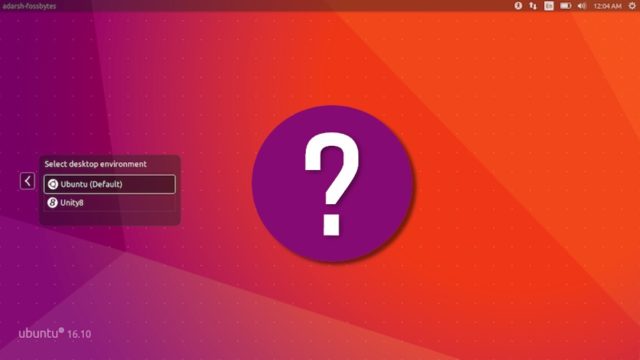
After announcing that Ubuntu 18.04 LTS will ship with GNOME as the default desktop environment, Canonical founder Mark Shuttleworth has shared some details regarding Ubuntu’s future. In a Google+ post, he made clear that Canonical will be investing in Ubuntu GNOME with a motive to deliver an all-GNOME experience. One should also note that despite the demise of Unity 8, Snaps and Ubuntu Core are here to stay.
ast week, Canonical founder Mark Shuttleworth shook the open source world by announcing that Canonical will be giving up the development of Unity and convergence shell for phones/tablets. He announced that Ubuntu 18.04, the next LTS release, will ship with GNOME as the default desktop environment.
In his announcement post, Shuttleworth announced that his convergence vision was wrong and the open source community perceived it as fragmentation. But, what’s next for the world’s most popular open-source operating system for desktop, i.e., Ubuntu?
In a Google+ post, which looks like a follow up to the original post, Shuttleworth highlighted some major points that will continue to be the focus of Ubuntu desktop.
Based on his post and other related developments, here are the answers to some of the biggest Ubuntu-related question:
What’s next for Ubuntu Desktop?
1. All GNOME desktop in Ubuntu
In his post, Shuttleworth said that Canonical will invest in Ubuntu GNOME and deliver an all-GNOME desktop. It means that we can expect Ubuntu GNOME without much changes to make it look more like Unity.
2. Upgrade from Ubuntu 16.04 LTS Unity to Ubuntu 18.04 LTS GNOME
This might be a big question on the minds of Ubuntu users. Shuttleworth has assured that the Canonical engineers will surely figure out a way to smoothly update Ubuntu 16.04 LTS Unity to Ubuntu 18.04 LTS GNOME.
3. Snaps and Ubuntu Core aren’t going away
Canonical founder already made it clear that Snaps and Ubuntu core aren’t going anywhere. Snaps and Ubuntu Core will remain a major part of Canonical’s strategy. You should also expect more Snaps adoption in near future.
4. What about Mir?
The future of Mir remains unclear. As Wayland is receiving all the love from the open source community, it’s less likely that Canonical will try to push Mir aggressively in near future. However, in his post, Shuttleworth said, “we have lots of IoT projects using Mir as a compositor so that code continues to receive investment. I agree, it’s a very fast, clean and powerful graphics composition engine, and smart people love it for that.”
5. Unity 7 will be available in archive
The Unity 7 packages will remain in the Ubuntu archives. Also, Unity 8 has been picked by third party developers and I’ll be keeping a close eye on its development.
Are you excited about these changes coming to Ubuntu Linux desktop? Don’t forget to share your views.
Comments
Post a Comment