MOCAS is the world’s oldest computer program that’s still in active use. It was launched in 1958 by the United States Department of Defense for keeping track of contracts and
payments. After 57 long years, MOCAS, pronounced “MOH-cass”, is still used to take care of the records using an IBM 2098 model E-10 mainframe.omputers have become an indispensable part of our daily lives. We use them at work, carry their miniature versions in our pockets, use them to binge watch TV shows, and whatnot. If you’re a programmer or developer, you might be knowing more about computers and programming languages used to write its programs. Some of you might be even knowing about the first programming language for computers.
But, do you know which is the world’s oldest programming language that’s still used actively? Don’t worry, we are here to help you out.
MOCAS — Oldest Computer Program That’s Still In Use
Long back in 1958, fifty-seven years ago, the United States Department of Defense launched a computer-based contract management system. It was called Mechanization of Contract Administration Services, or MOCAS. It’s pronounced “MOH-cass”.
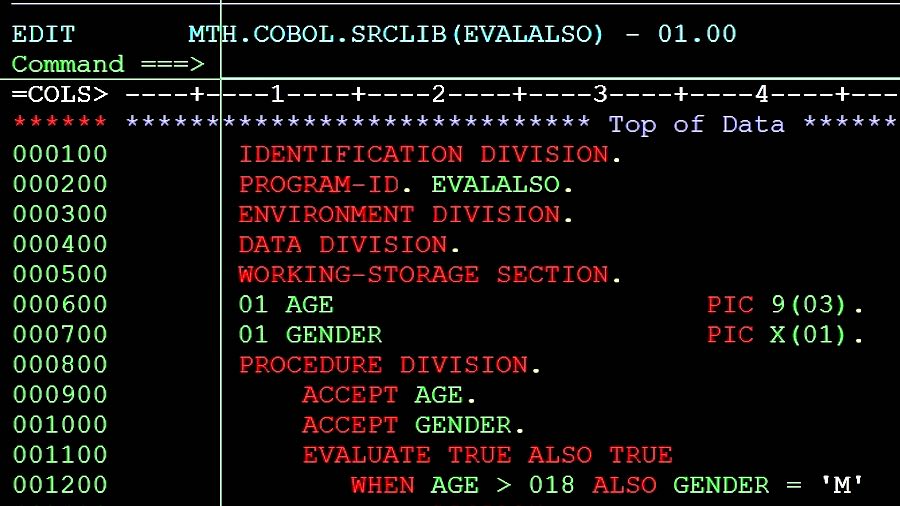
Written in COBOL, one of the world’s most important programming languages, MOCAS is still in use. The original interface of MOCAS was based on keycards or punchcards, according to MIT Tech Review.
In the later years, MOCAS was upgraded to work with green screen access, which is a terminal-like system that was widely used by airlines, banks, telecom companies, etc.
Over the time, new interfaces were created that were able to connect to MOCAS. This allowed it to extend its lifespan. There were efforts to create its complete replacements, which failed due to cost and complexity involved in the transition.
Today, the system manages about $1.3 billion in obligations and 340,000 contracts. It uses an IBM 2098 model E-10 mainframe. This hardware is able to perform 398 million instructions per second with the help of its 6GB RAM.
MIT Tech Review writes that MOCAS was the oldest computer program they could verify. If you believe that there are other programs that are much older, don’t forget to tell us. Also, do tell us your views and feedback.
Comments
Post a Comment